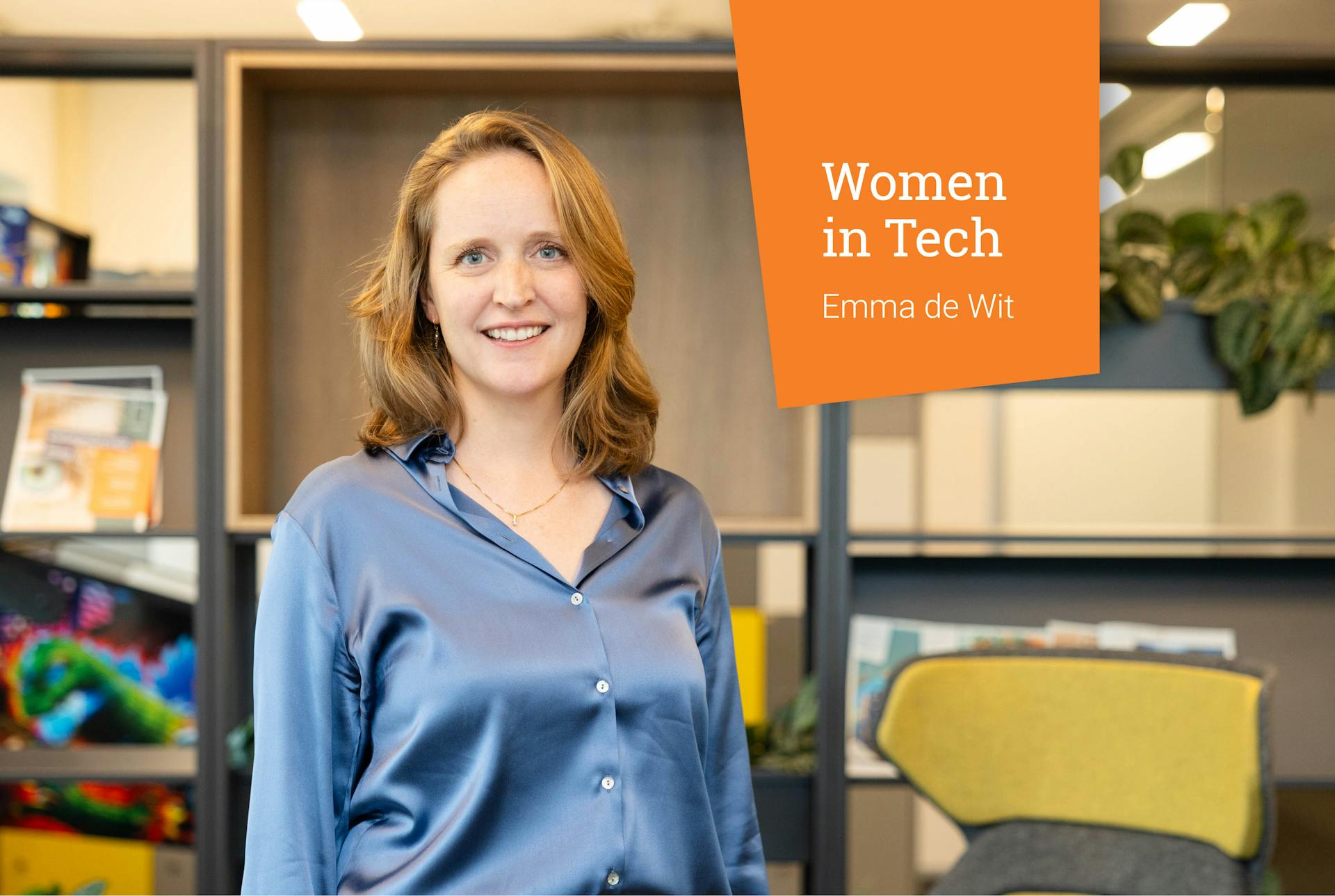
"Sometimes the most valuable thing you can build isn’t a fix, but a way for people to talk to each other about the problem."
“Mathematics was my language,” Emma de Wit says without hesitation. In high school, numbers were the one thing she understood completely: a world of logic and clarity. But when she arrived at TU Delft to study Applied Mathematics, she quickly realized that pure theory wasn’t enough for her. She craved the challenge of messy realism, the kind found in the unpredictable nature of people, complex challenges, and shared decision-making.
Her master’s degree in Transport, Infrastructure, and Logistics gave her exactly that: technical problems layered with societal, ethical, and collaborative dimensions. “I love looking at problems from multiple angles, not just technically, but through all the human layers wrapped around them.”
Turning Data into Dialogue
Emma’s early career took her from an internship at ORTEC Australia to a traineeship at Nederlandse Spoorwegen (NS) Groep. One of her favorite challenges came at Amsterdam Central Station, where years of construction had created complex capacity challenges. “There were incredibly smart people calculating and calculating, but the answer simply wasn’t emerging,” she remembers. Emma built a tool to help decision-makers see the data more clearly, fostering productive conversations between engineers and non-technical leaders. This bridge-building approach became a signature of her career.
But being a bridge-builder didn’t mean the path was always easy. Emma is honest about the biases she’s faced. In high school, she was discouraged from pursuing the highest technical profile, even with top grades, while male classmates were encouraged. At TU Delft, she was often assumed to be in a more “creative” field.
Her advice to young women entering similar spaces comes from experience: “Find people with similar backgrounds, who understand you. For me this made all the difference. Role models don’t have to be senior leaders; they can be peers or anyone who inspires you.”
I've always believed I deserve a seat at the table. But honestly, I felt I had to prove myself more, always score the highest grade, to convince people I belong there
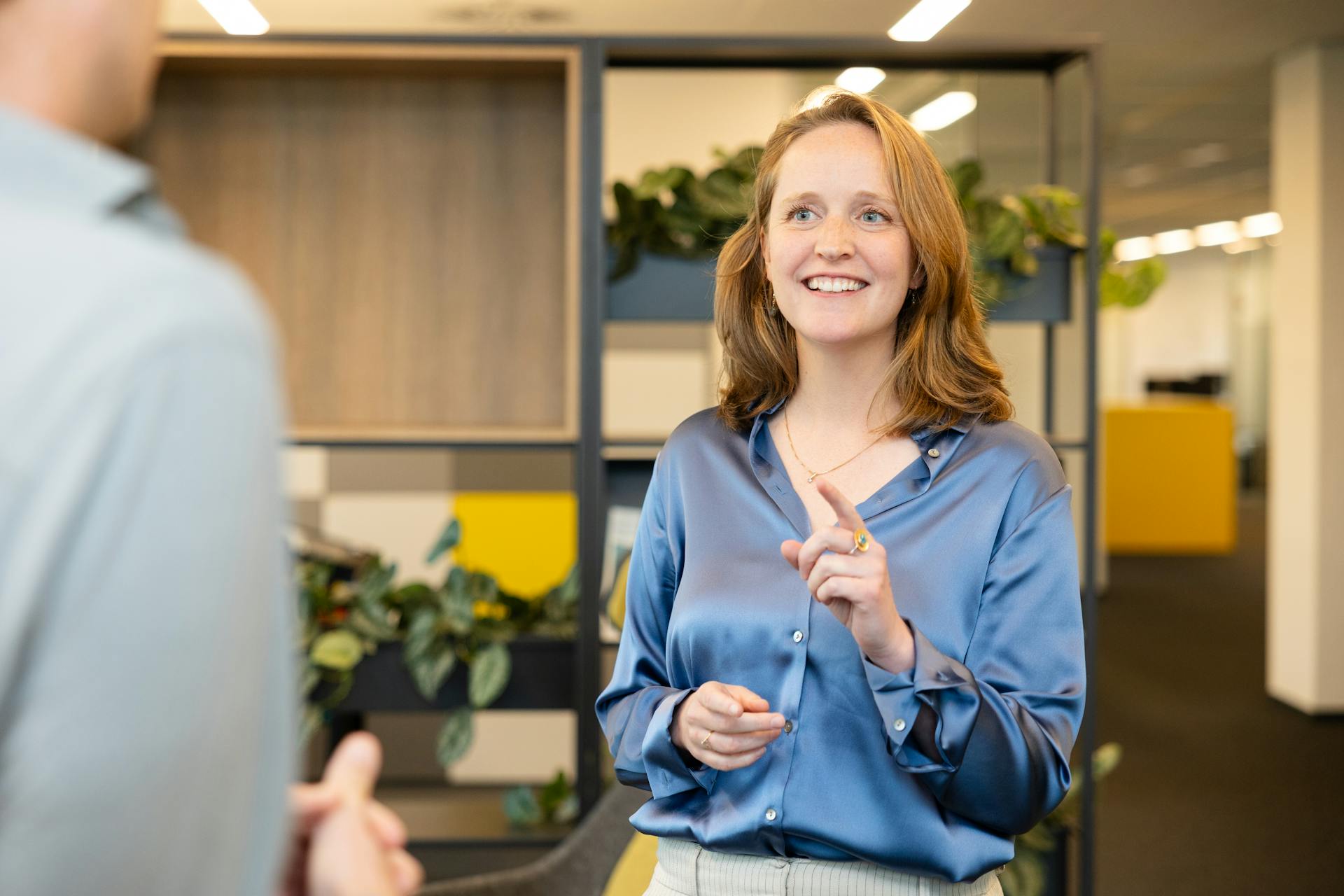
Breaking Barriers and Building Confidence
At ORTEC, Emma’s move from consultant to team lead was a turning point. Gone was the direct control over every deliverable. In its place: the challenge of trusting others to take ownership. “As a consultant, I ensured everything was perfect before it went out the door. As a manager, I had to learn to step back and let my team own the outcome, even if it’s not exactly how I would’ve done it. My goal was always to help my team grow and reach their full potential.” Leadership, she realized, meant creating space for others to thrive.
Emma’s strength as a leader lies in her empathy and her willingness to understand perspectives before making decisions. She’s candid about the reality that not all decisions will make everyone happy. That’s when trusting her own inner compass matters most.
Her career pride comes not from a single achievement but from consistently taking steps that have brought her closer to her authentic self: more resilient, more of a listener, more willing to stand firmly in her values.
When asked what skills matter most, Emma emphasizes curiosity, adaptability, and reflection: “Hard skills will change. The real advantage is being able to learn quickly, to reflect with others, and to be open to new ideas.”
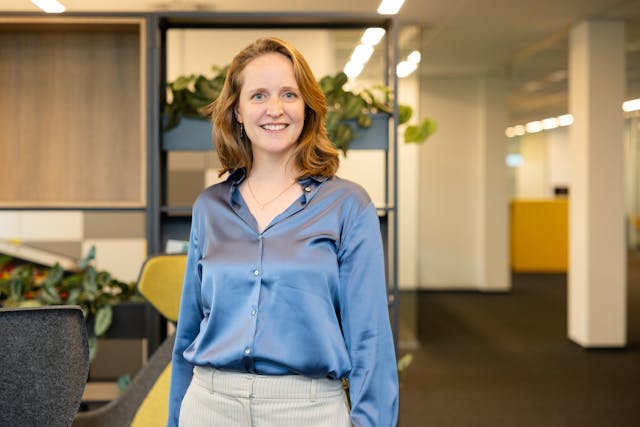
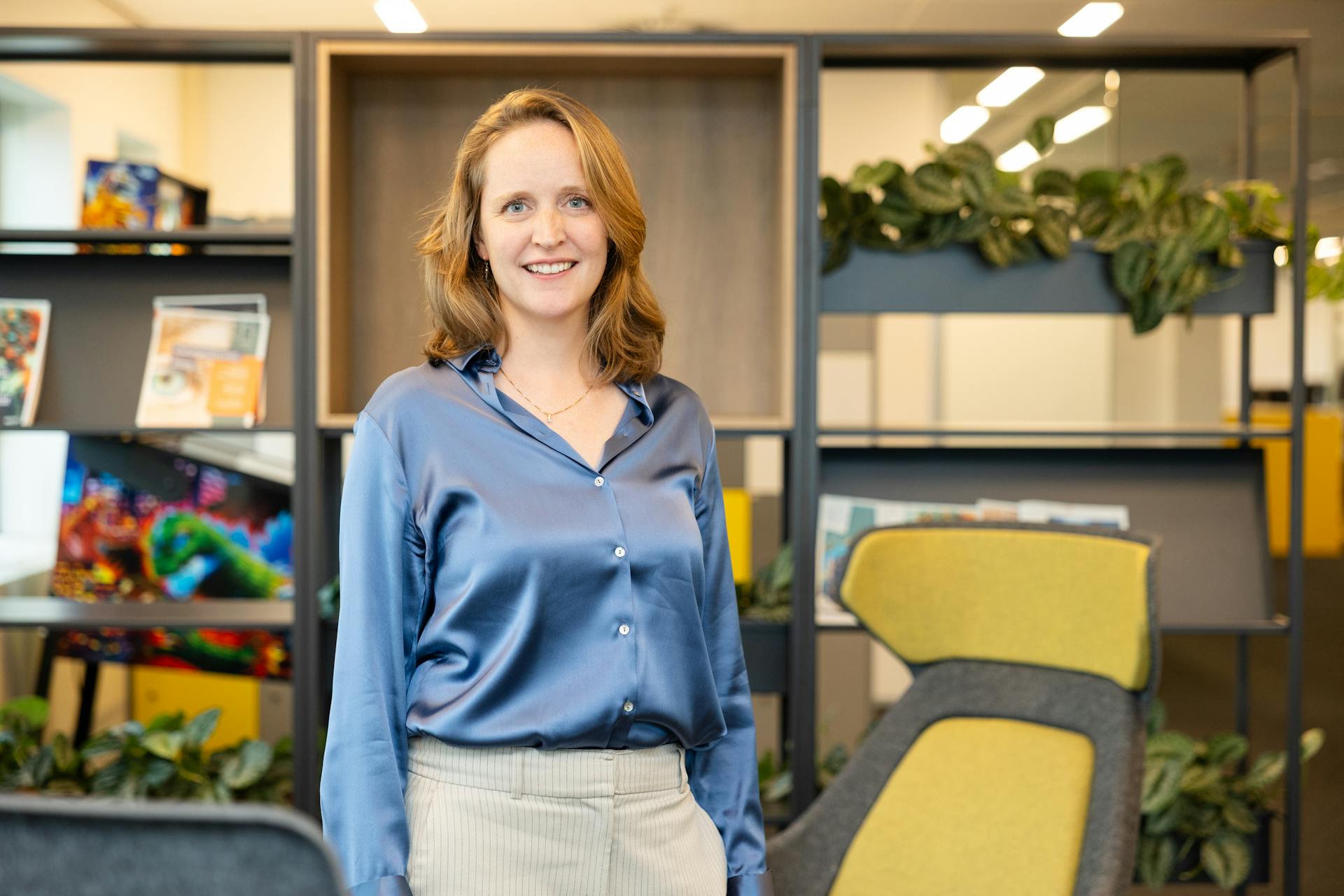
Emma de Wit, ORTEC Chief of Staff
"With each new challenge, I’ve stayed close to myself, broadening skills without losing sight of who I am"
AccelerateHER: Empowering Women Through Authenticity
One of Emma’s proudest contributions is co-founding AccelerateHER, ORTEC’s internal program aimed at fostering inclusivity and authenticity. It began with casual dinners and grew into an initiative tackling the subtle but draining act of “masking” to fit in: “In my conversations, I noticed that women often talked about having to adapt or present themselves differently from who they really are. That’s just a waste of energy and potential,” Emma says. For her, it’s not just a women’s issue: “It’s about being able to be yourself at work. That’s important for people and for business.”
AccelerateHER opens space for conversations about these invisible barriers, providing tools and dialogue to ensure people can bring their whole selves to work.
Looking Ahead: Women as Architects of Technology’s Future
Emma believes that as technology becomes more central to everyone’s lives, it’s essential for women to be involved in creating it. “It’s super important that women are represented as producers, not just consumers. Getting different perspectives at the table is so important.”
STEM, she hopes, will broaden in scope, stripping away narrow definitions and making the field more inviting to diverse ambitions. “Tech is becoming more diverse,” she says, “but we have to keep pushing.”
Asked what advice she would give her younger self, Emma smiles: “I liked the naïve optimism of my younger self. I’d tell her: go in with an open mind, see where it takes you. Tech can be fun, it’s teamwork, creativity, problem-solving, and tangible results. Women deserve to have fun in it.”
Emma’s journey shows that leadership in tech is about solving problems, yes — but more importantly, about changing the space so more voices, more ideas, and more diverse perspectives get to shape those solutions.
About Emma
Emma de Wit is Chief of Staff to the CEO at ORTEC, a global leader in advanced analytics and optimization software. Over her nine-year journey at ORTEC, she has held roles spanning business consulting, sales enablement, and digital transformation, consistently blending her applied mathematics and logistics expertise with empathetic, people-focused leadership. A graduate of TU Delft with degrees in Applied Mathematics (BSc) and Transport, Infrastructure & Logistics (MSc), Emma is passionate about creating inclusive workplaces, where authenticity fuels innovation. She is the co-founder of ORTEC’s AccelerateHER initiative, dedicated to empowering women and fostering diversity across the tech industry.
ORTEC's Women in Tech
‘ORTEC’s Women in Tech’ is a series highlighting some of our amazing women. At ORTEC, we value a diverse and inclusive workforce. Nonetheless, with about one third of our workforce identifying as female, we would like to increase this number. By launching ‘ORTEC’s Women in Tech’ series, we aim to inspire women to enter the tech industry – we can tell from experience that it’s a great environment to be in!
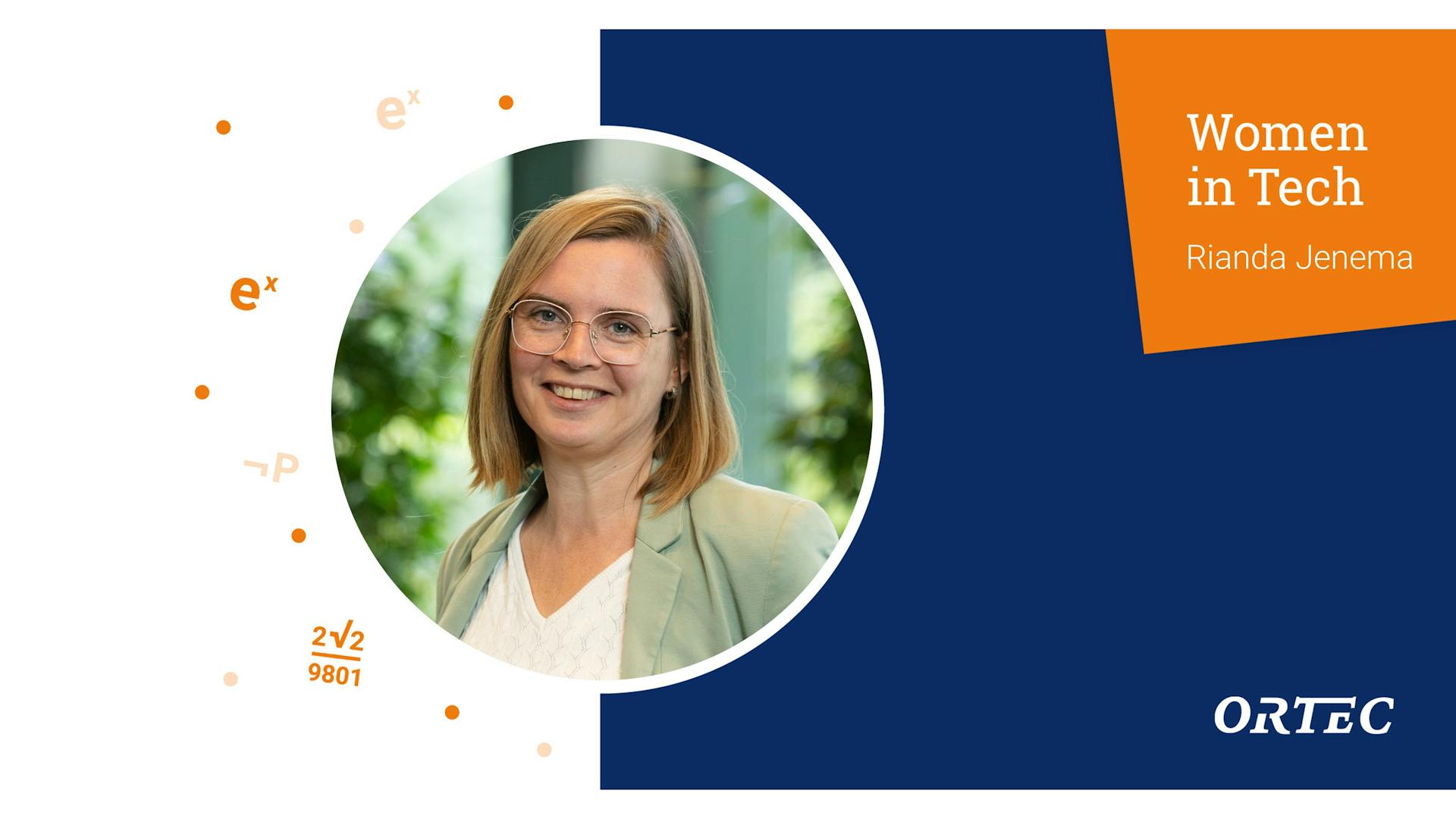
Connection and How Conversations Matter
Read more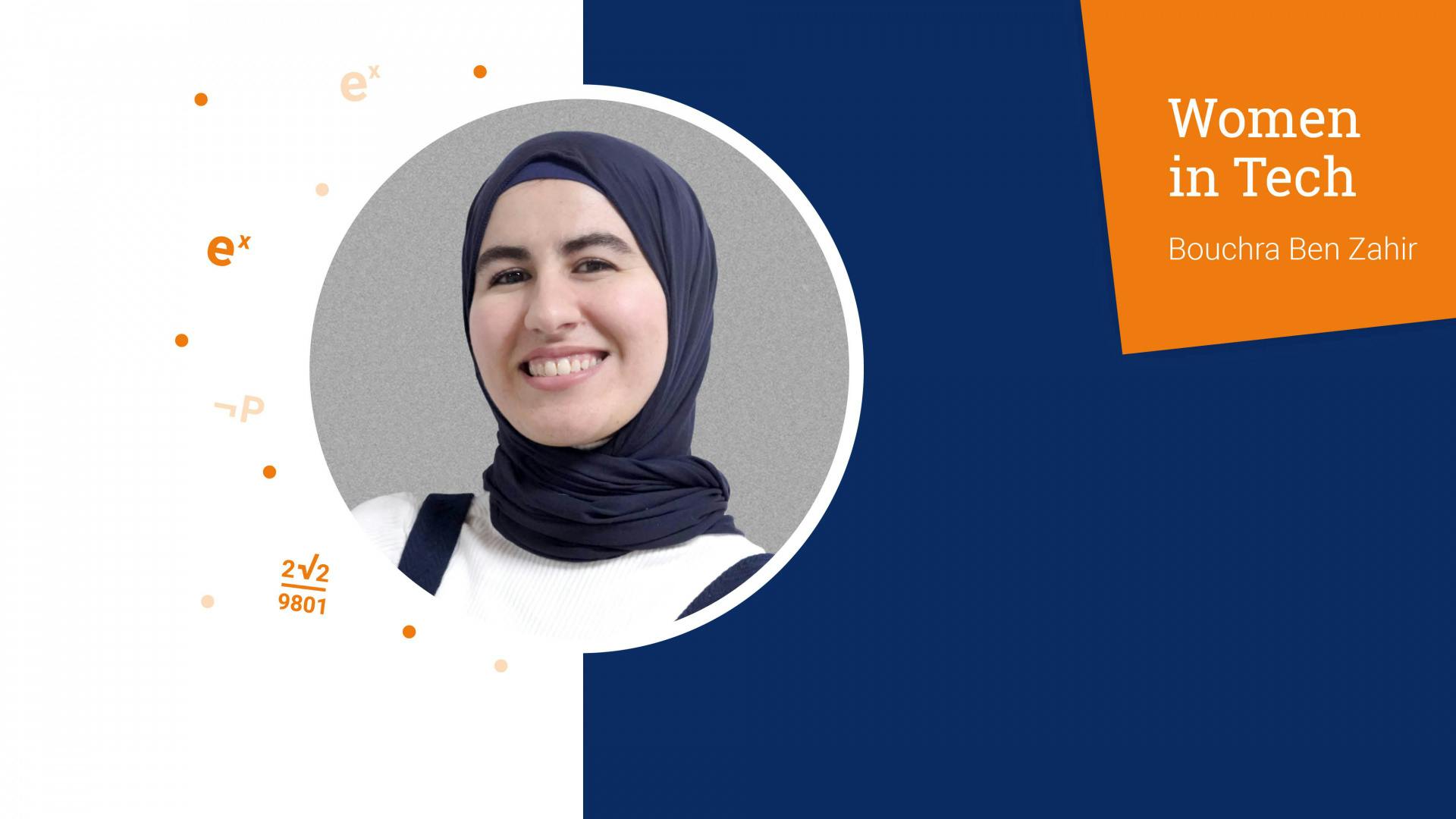
Be your own cheerleader | Writing my own script
Read more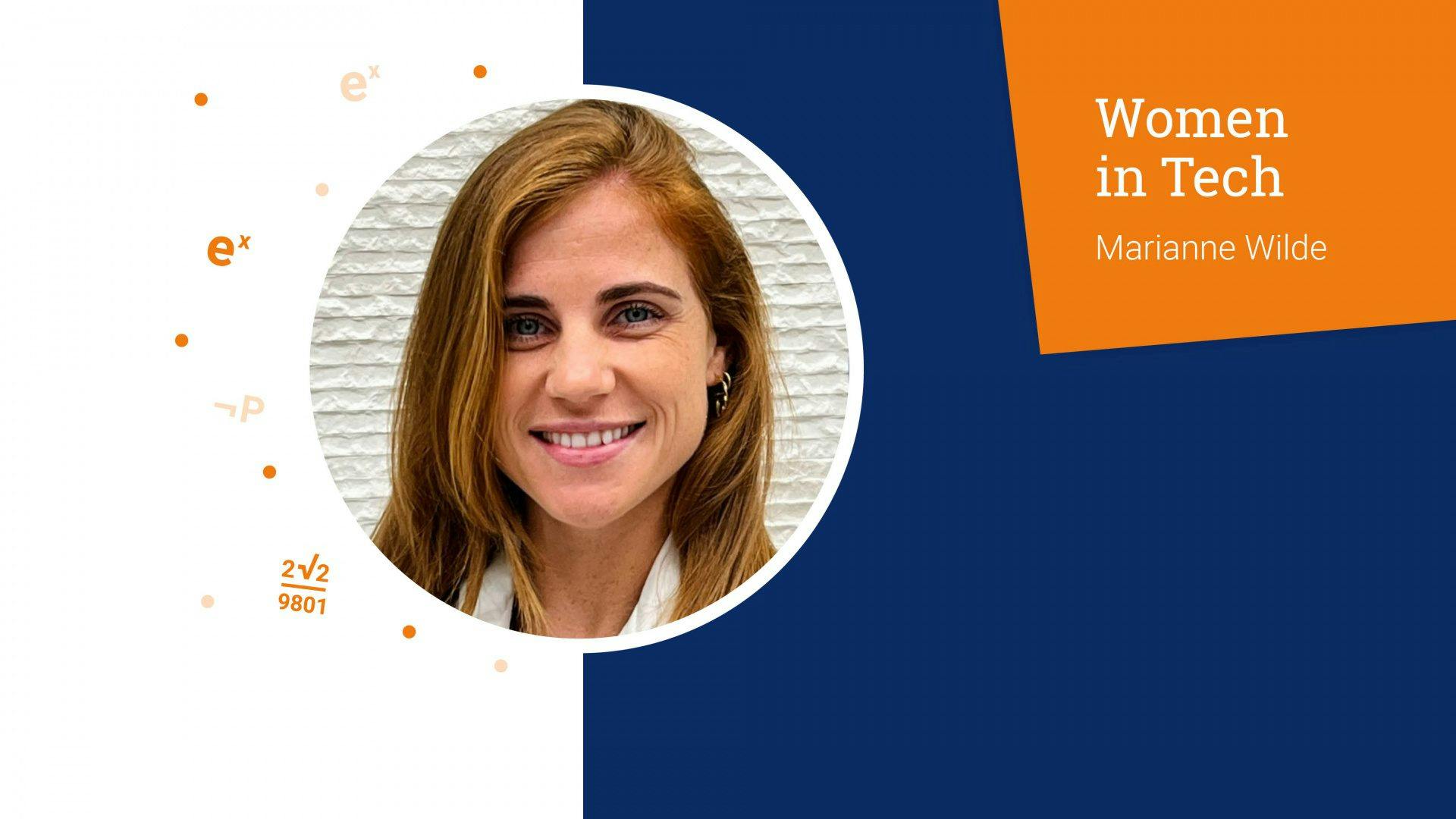
Talent knows no gender | From boundaries to breakthroughs
Read more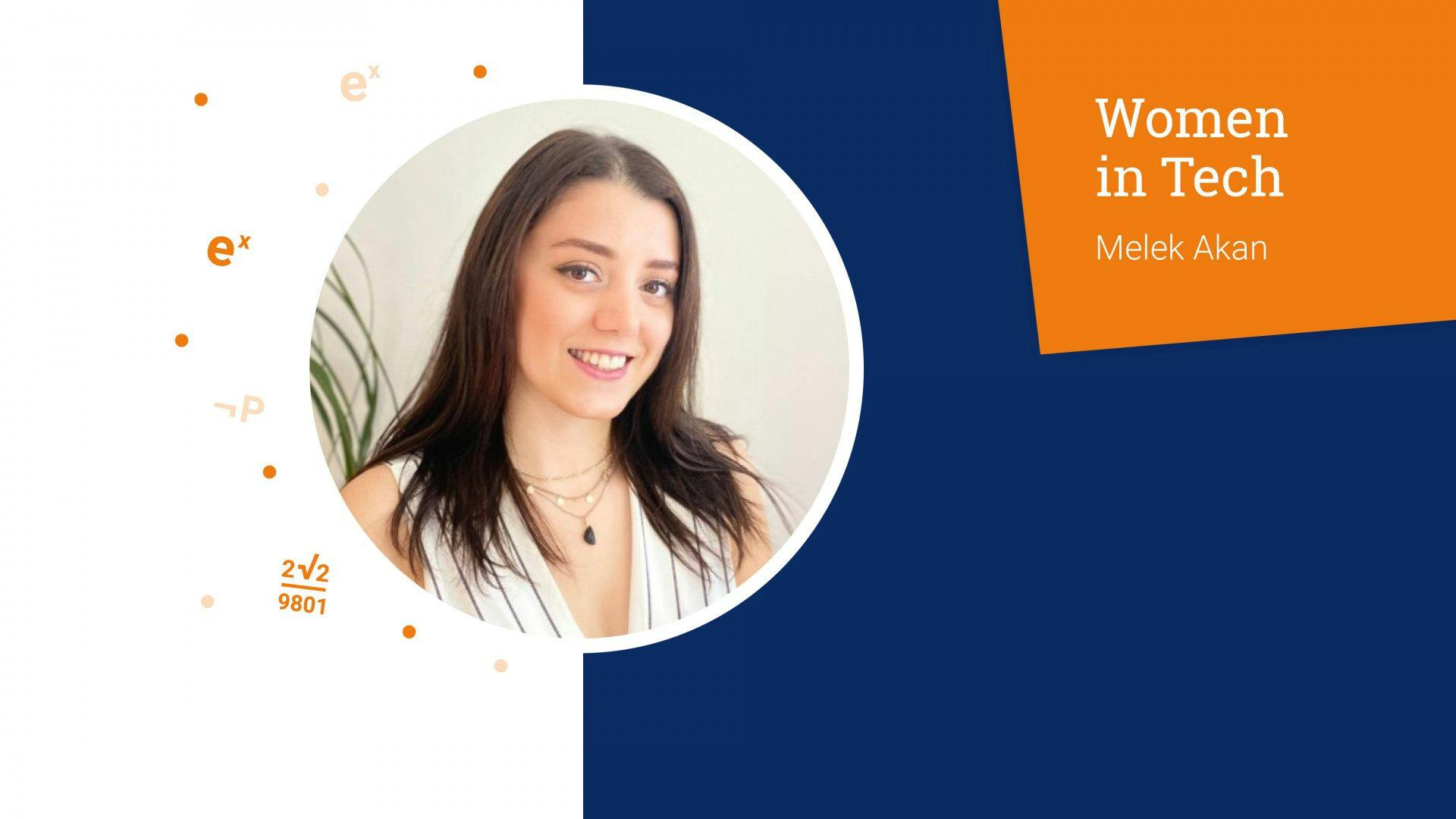
A journey to confidence | From feeling like a young girl to knowing my worth
Read more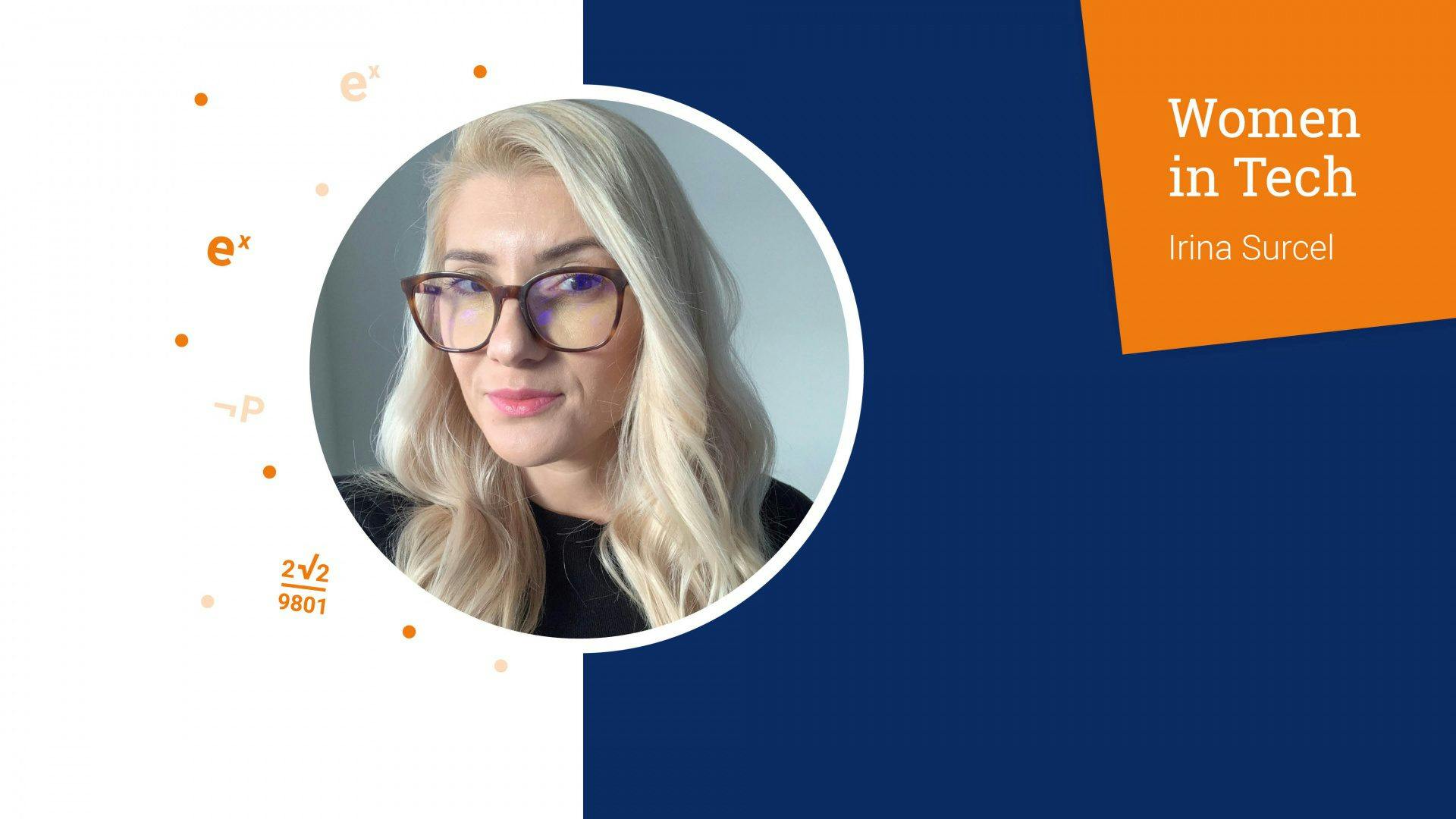
Women uplifting women | From individual power to collective impact
Read more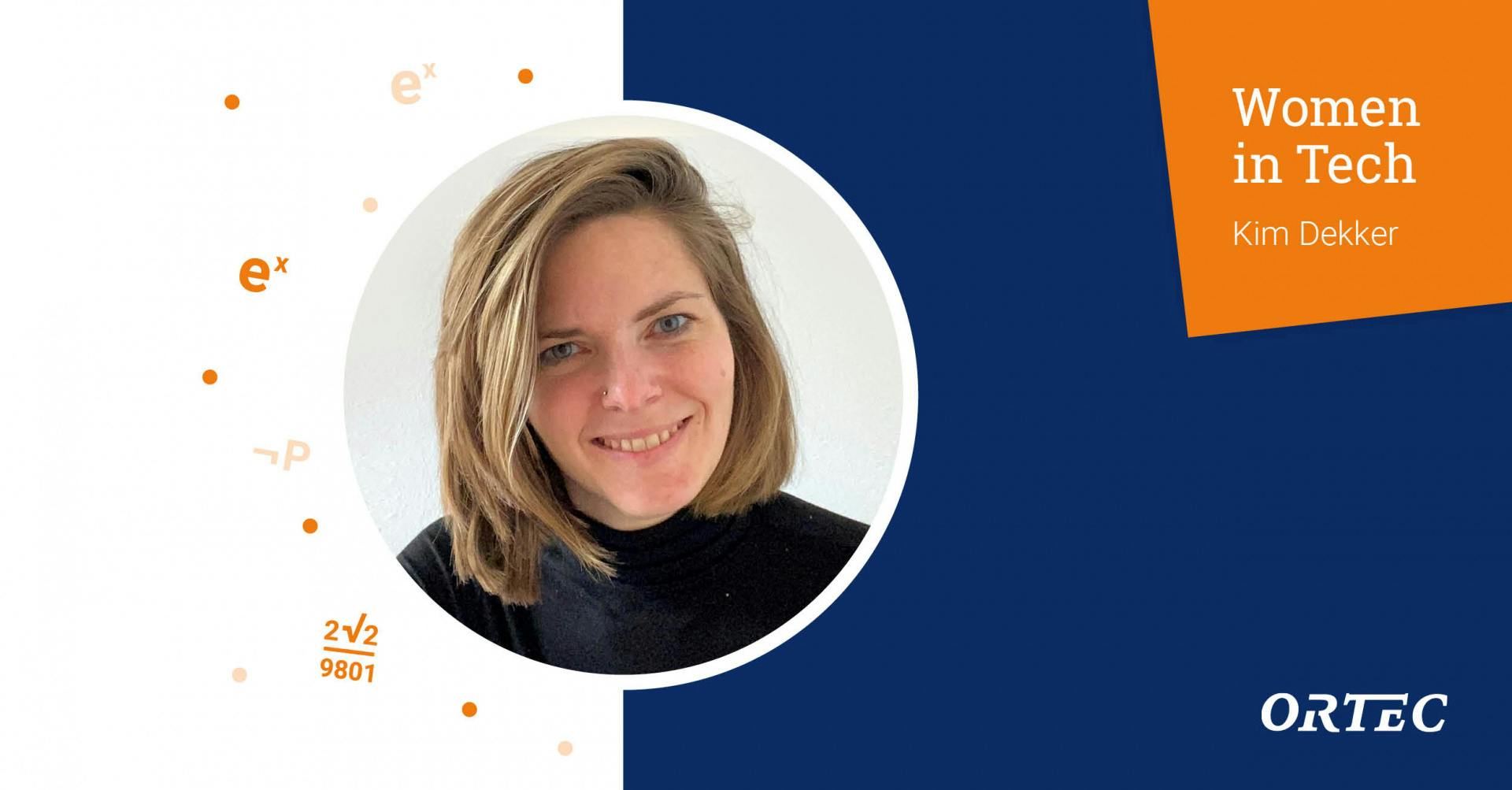
The ‘impossible’ or ‘I’m possible’ | From professional dance to tech
Read more