
Direct store delivery helps manufacturers and distributors improve product availability, reduce inventory complexity, and respond faster to changing demand. Learn how better planning, visibility, and execution help DSD operations perform more efficiently.
Keeping products available while managing transportation costs, inventory constraints, and changing demand remains a challenge for manufacturers, distributors, and retailers alike. For many organizations, direct store delivery (DSD) provides an effective way to simplify replenishment, improve product availability, and maintain greater control over how products reach the shelf.
When supported by strong planning, visibility, and execution capabilities, DSD can help organizations respond more quickly to demand changes while improving operational efficiency across the supply chain.
What is direct store delivery?
Direct store delivery is a distribution model in which products are delivered directly from the manufacturer or distributor to retail locations rather than moving through the retailer's distribution network. The approach is commonly used for fast-moving consumer goods, including beverages, snacks, food products, personal care items, and other products that require frequent replenishment.
By shortening the path to the store, DSD can help organizations:
Improve product availability
Respond more quickly to changing demand
Reduce inventory complexity
Support frequent replenishment cycles
Maintain greater control over merchandising and product presentation
For many manufacturers and distributors, DSD creates a closer connection between supply, demand, and store execution.
Managing today's retail and wholesale challenges
Retail and wholesale organizations continue to face pressure from changing consumer expectations, rising operational costs, and increasingly complex supply chains.
Several challenges make effective replenishment particularly important.
➧ Balancing service and cost
Organizations must maintain product availability while controlling transportation and operational expenses. Improving service often increases complexity, requiring careful planning and execution to avoid unnecessary costs.
➧ Supporting growing store networks
As store footprints expand, coordinating replenishment becomes more difficult. Limited backroom storage and higher delivery frequency requirements make inventory planning increasingly important.
➧ Improving visibility
Without clear visibility into inventory, deliveries, and execution performance, organizations can struggle to identify inefficiencies or respond quickly to changing conditions.
➧ Responding to changing demand
Promotions, seasonality, local buying patterns, and changing consumer preferences all affect replenishment requirements. Organizations need the flexibility to adjust quickly while maintaining operational stability.
Connecting planning and execution in direct store delivery
Successful DSD operations depend on much more than bypassing a distribution center. Organizations still need to determine:
How frequently stores should be replenished
Which products should be delivered
When deliveries should occur
How routes should be structured
How transportation resources should be used
How changing demand should be managed
These decisions affect inventory levels, transportation costs, product availability, and store operations.
A connected planning approach helps organizations evaluate these decisions together rather than in isolation. By connecting replenishment planning, transportation planning, and execution visibility, organizations can create a more responsive and efficient delivery operation.
How ORTEC supports direct store delivery operations
Improving DSD performance requires visibility, coordination, and the ability to make informed operational decisions. ORTEC helps manufacturers, distributors, and retail organizations improve direct store delivery through connected planning and execution capabilities.
This includes support for:
➧ Delivery scheduling and replenishment planning
Effective DSD begins with determining when products should be delivered and how frequently stores should be replenished. Better scheduling helps align deliveries with demand while reducing unnecessary transportation activity.
➧ Route optimization and transportation efficiency
Transportation plans should account for real-world operating conditions, including delivery windows, vehicle constraints, customer requirements, and network complexity. Optimized routing can help organizations reduce mileage, improve resource utilization, and support more reliable deliveries.
➧ Visibility across planning and execution
Operational visibility helps teams monitor delivery performance, identify disruptions early, and make adjustments as conditions change. By connecting planning and execution data, organizations can make more informed decisions throughout the delivery process.
➧ Data-driven continuous improvement
Every delivery creates operational data that can be used to improve future performance. Comparing planned and actual results helps organizations identify opportunities to improve schedules, routes, utilization, and replenishment strategies over time.
➧ Load building and transportation utilization
Improving truck, pallet, and load utilization helps organizations move products more efficiently while maximizing available transportation capacity.
The benefits of a connected direct store delivery strategy
Organizations that improve the coordination between planning and execution often see benefits across multiple areas of the business.
➧ Better collaboration across the supply chain
Shared information and coordinated planning help align manufacturers, distributors, transportation teams, and retail operations.
➧ Improved visibility and operational control
Greater visibility supports faster decision-making and helps teams respond more effectively when conditions change.
➧ Lower transportation costs
More efficient routing, scheduling, and resource utilization can reduce unnecessary transportation activity.
➧ Reduced emissions
Improving transportation efficiency often supports sustainability goals through lower fuel consumption and reduced mileage.
➧ More reliable product availability
Better replenishment decisions help ensure products are available when customers are ready to buy.
Conclusion
Direct store delivery continues to play an important role in helping manufacturers and distributors keep products flowing efficiently to retail locations.
Success, however, depends on more than the delivery model itself. Organizations achieve the greatest value when they connect replenishment planning, transportation execution, and operational visibility into a single decision-making process.
As demand changes and supply chains become more complex, a connected approach helps organizations improve product availability, use resources more effectively, and respond with greater confidence.
Ready to improve direct store delivery performance?
Learn how ORTEC helps organizations connect planning, routing, execution, and continuous improvement to create more efficient direct store delivery operations.
Real-world results
Case studies
See how companies are putting these strategies into practice and achieving measurable operational results.
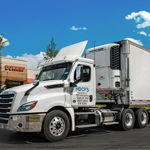
National DCP: How ORTEC supports a scalable national supply chain
Integrated planning, execution, and control improves how supply chain decisions are made and executed
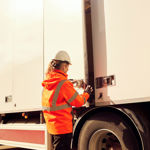
Pladis: Route and load optimization for in-house logistics
See how Mohawk improved planning efficiency, execution, and delivery performance at scale
For more information
Additional Resources
ORTEC helps retailers improve store delivery by connecting planning, routing, and execution to increase efficiency, use resources more effectively, and improve service.
5 steps to improve service and efficiency in store delivery
Five practical ways to improve scheduling, routing, visibility, and continuous improvement for more efficient and reliable store delivery
Building a more efficient store delivery operation
Advanced scheduling, routing, and execution helps retailers control transportation costs, use resources effectively, and improve performance
Better store delivery starts before the route is built
Decisions around delivery frequency, replenishment, capacity, and scheduling create the foundation for more efficient daily routes and reliable service
What can ORTEC help me do?
ORTEC for store delivery
See how ORTEC improves store delivery performance through connected planning, optimization, and execution.
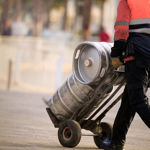
ORTEC for Retail & Wholesale
Improve delivery efficiency, resource utilization, and service across your store delivery operations

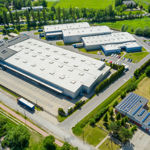
Intercompany Distribution
Optimize inventory movements and replenishment plans across your distribution networks.