
Improve food and beverage distribution with better route optimization, load planning, delivery visibility, and execution.
Food and beverage distributors keep businesses supplied, shelves stocked, and customers served. Behind every delivery is a complex operation that coordinates inventory, routes, drivers, warehouses, delivery requirements, and thousands of individual products while managing cost, service, labor, fleet capacity, and shifting demand.
Whether they serve restaurants, convenience stores, grocery retailers, schools, hospitals, or beverage outlets, distributors work in an environment where expectations are high, margins are tight, and execution has to be consistent. This guide looks at the operational dynamics shaping foodservice and beverage distribution today, including route optimization, load planning, delivery visibility, and practical ways to improve service and performance.
Understanding food and beverage distribution
Food and beverage distribution connects manufacturers with the businesses that sell or serve products to end consumers. Distributors purchase, store, transport, and deliver products while managing inventory, delivery schedules, customer relationships, and operational performance. Foodservice distributors often handle broad product ranges, multiple temperature requirements, and strict delivery windows, while beverage distributors must account for product weight, loading sequence, direct-store delivery needs, and merchandising considerations. Specialty and hybrid distributors add another layer of complexity with unique handling requirements across multiple customer segments.
Across these models, the core challenge is the same: coordinating people, assets, and decisions across a highly dynamic operation.
Why food and beverage distribution planning is so complex
Distribution may look straightforward from the outside: products leave a warehouse and arrive at a customer location. In practice, every delivery operation involves hundreds or thousands of decisions shaped by order volume, delivery frequency, driver and vehicle availability, capacity constraints, service commitments, traffic conditions, and product handling requirements.
Those decisions become more complex during seasonal peaks, promotional periods, holidays, and unexpected demand shifts. A small change in order volume or resource availability can affect route performance, labor requirements, delivery windows, and service outcomes across the network. ORTEC helps distributors bring routing, loading, delivery frequency, capacity, and service requirements into the planning process, so teams can build plans that reflect the real constraints of foodservice and beverage operations.
The operational pressures distributors face
Controlling transportation costs
Transportation is one of the largest operating costs for distributors. Fuel, fleet utilization, vehicle maintenance, labor, and delivery frequency all influence profitability, which makes it important to reduce unnecessary miles, improve route density, use available capacity efficiently, and avoid plans that appear efficient in planning but break down during execution.
Meeting customer expectations
Customers increasingly expect reliable delivery windows, accurate arrival information, and consistent service. Late deliveries, missed orders, and communication gaps can quickly affect satisfaction and retention, especially when customers depend on those deliveries to run their own operations.
Managing labor constraints
Driver shortages, warehouse staffing challenges, and workforce retention continue to affect many distributors. Limited labor availability creates added pressure to use resources effectively, reduce avoidable work, and give teams plans they can execute with confidence.
Maintaining compliance and product quality
Food safety regulations, temperature requirements, vehicle restrictions, and operational policies all shape how distribution plans are built. Seasonal demand changes, customer growth, promotions, weather events, and economic conditions add further pressure by changing order volume and delivery requirements.
The decisions that shape distribution performance
Connected planning creates better outcomes
Many foodservice and beverage distributors still manage routing, loading, delivery frequency, and execution as separate activities. A more connected approach helps teams see how one decision affects the next. Delivery frequency influences route design, route design affects vehicle utilization, and loading decisions shape driver productivity and delivery execution.
The greatest gains often come from connecting planning decisions across the distribution operation rather than improving one process at a time. ORTEC supports this connected view by helping distributors evaluate tradeoffs across routing, loading, fleet utilization, and customer service before decisions reach the delivery floor.
Delivery frequency and service policies
How often customers receive deliveries affects transportation costs, resource utilization, and customer satisfaction. Establishing the right delivery strategy requires balancing service requirements with operational efficiency.
Route planning
Route planning determines which customers should be served together, which vehicle should perform the work, and how deliveries should be sequenced. Effective route optimization accounts for customer commitments, vehicle constraints, delivery windows, driver availability, and operational policies so teams can execute plans consistently.
Load planning
A strong route is only part of the equation. Vehicles also need to be loaded with attention to temperature zones, product accessibility, unloading sequence, weight, and safe handling. Effective load planning helps maximize vehicle utilization while reducing delivery delays, rejected deliveries, and product handling issues.
Resource utilization
Drivers, vehicles, warehouse labor, and fleet capacity are valuable resources. When distributors align them more effectively, they can improve performance without automatically adding headcount or expanding their fleets.
Day-of-execution decision making
Even well-planned routes encounter disruptions. Traffic delays, vehicle issues, customer requests, and unexpected operational changes require quick decisions throughout the day. Organizations that can identify and respond to exceptions early are better positioned to maintain service levels while minimizing disruption.
Using logistics technology to support better decisions
Technology plays an increasingly important role in foodservice and beverage distribution because it helps teams make better decisions across planning and execution. Many distributors are moving from disconnected tools and manual processes toward systems that connect strategic planning, routing, loading, visibility, and daily execution.
AI-powered logistics, route optimization, planning technology, and real-time delivery visibility tools can help distributors evaluate tradeoffs, respond faster to change, and improve performance over time. The goal is to support experienced planners with better information, clearer options, and plans that are practical to execute.
For foodservice and beverage distributors, ORTEC connects planning layers so teams can make decisions with a clearer view of operational impact, from long-range network planning to daily routing and delivery execution.
Building a more connected distribution operation
Many distributors have improved individual parts of their operations over time. The next opportunity is often to connect those activities more effectively, so planning and execution support one another across the business.
Strong distribution organizations plan around real operational constraints, balance efficiency with customer service, connect routing and loading decisions, use data to guide decisions, and stay flexible when conditions change. These principles help build more resilient distribution networks that can adapt to changing business requirements while delivering consistent service.
Preparing for the future of distribution
Food and beverage distribution continues to evolve as organizations invest in better forecasting, stronger connectivity across planning functions, greater operational visibility, and faster ways to respond to change. Sustainability goals are also influencing transportation and fleet decisions as companies work to reduce fuel consumption, improve utilization, and lower emissions.
At the same time, customer expectations continue to rise. Distributors must deliver dependable service while managing labor challenges, cost pressures, and increasing complexity. The organizations best positioned for long-term success will be those that combine operational expertise with smarter planning processes, connected decision-making, and technology that helps their teams work more effectively.
Conclusion
Food and beverage distribution is one of the most operationally complex sectors in the supply chain. Success depends on the ability to coordinate people, vehicles, inventory, customer requirements, and daily execution while maintaining high service levels and controlling costs.
As operations become more dynamic, distributors need more than isolated improvements. They need connected decision-making that aligns planning, route optimization, load planning, delivery visibility, and execution across the organization. With ORTEC, distributors can bring these decisions together in a more coordinated way, helping teams improve performance while managing the day-to-day realities of complex distribution networks.
Ready to improve distribution performance?
Talk with us about your distribution goals and explore opportunities to improve routing, loading, visibility, and last-mile logistics performance across your network.
Contact ORTEC to discuss your operation or schedule a personalized demonstration to see how AI-powered logistics can help make work flow.
Real-world results
Case studies
See how retailers are putting these strategies into practice and achieving measurable operational results.
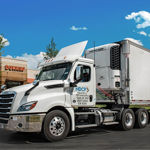
National DCP: Supporting a scalable national supply chain
Accelerating digital transformation and operational savings at a $3 billion supply chain management company

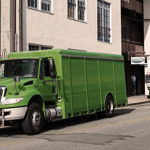
Brau Union Austria: Optimizing route planning for beer logistics
Discover how this distributor standardizes and runs deliveries efficiently with advanced route planning
For more information
Additional resources
ORTEC helps foodservice distribution organizations apply AI-powered decision intelligence to real-world transportation and logistics challenges
Smarter planning for foodservice and beverage distribution
See how connected planning helps distributors balance service, capacity, costs, and operational efficiency
Increasing route productivity across beverage and food service distribution
Discover practical ways to improve route efficiency, fleet utilization, and last-mile delivery performance.
Real-time visibility for food and beverage distribution and last-mile logistics
Gain greater control of deliveries with real-time visibility, proactive communication, and exception management
Key trends reshaping foodservice and beverage distribution
Examine the forces influencing distribution, from AI-powered logistics to sustainability and workforce challenges
What can ORTEC help me do?
ORTEC for foodservice and beverage distribution
See how ORTEC helps manufacturers improve transportation performance through connected planning, optimization, and execution.
Retail and wholesale distribution solutions
Connect planning, routing, loading, and execution across your distribution operation to improve service and efficiency
Intercompany Distribution
Optimize inventory movements and replenishment plans across production and distribution networks.