
Store delivery optimization helps retailers balance service, cost, and operational efficiency. Learn how advanced scheduling, routing, visibility, and execution can improve store performance while helping transportation teams make better decisions across the delivery network.
Store delivery has become increasingly complex. Retailers must balance tighter delivery windows, transportation costs, labor availability, inventory constraints, and rising service expectations, all while keeping products available when and where they're needed.
ORTEC helps retailers bring greater consistency to these decisions by connecting strategic planning with daily routing, execution, and visibility. This connected approach helps transportation teams improve delivery performance, use resources more effectively, and adapt more quickly when conditions change.
Why store deliveries matter more than ever
Store delivery is the process of moving goods from distribution centers to retail locations, ensuring products are available where and when they're needed. It plays a critical role in maintaining inventory levels, supporting promotional activity, and keeping store operations running smoothly.
When deliveries are delayed, inefficient, or difficult to execute, the effects extend far beyond transportation. Store teams may spend more time managing inventory issues, shelves may not be replenished as planned, and product availability can suffer.
Effective store delivery helps retailers:
Keep inventory aligned with demand
Support promotional activity and seasonal peaks
Improve product availability
Use transportation resources more efficiently
Reduce unnecessary operational costs
Balancing delivery peaks starts with better scheduling
For many retailers, improving store delivery begins with establishing the right delivery schedule. Determining how often each location should be replenished requires consideration of inventory levels, demand patterns, promotions, receiving capacity, and service requirements. Once delivery frequency is established, retailers must assign delivery days and time windows that balance workload across stores, transportation teams, and distribution centers.
This is where last mile delivery software can make a meaningful difference.
ORTEC’s planning capabilities help retailers create delivery schedules that account for business requirements alongside local restrictions, labor availability, receiving capacity, and other operational constraints. By turning this complexity into practical plans, teams can balance workloads across stores, transportation, and distribution centers while building schedules that are realistic to execute.
Building routes that reflect real operating conditions
Once delivery schedules are established, those plans need to be translated into efficient daily routes. Demand fluctuations, changing orders, traffic conditions, vehicle constraints, and delivery windows all affect daily execution. Static routes often struggle to keep pace with these realities.
ORTEC’s route optimization capabilities translate delivery requirements into routes that reflect actual operating conditions, while giving planners the flexibility to evaluate and adjust decisions as needs change. Plans can account for considerations such as:
Delivery windows
Vehicle capacities and characteristics
Driver qualifications
Traffic conditions and roadway restrictions
Store receiving constraints
Multi-temperature requirements for food retail
When routing decisions reflect real-world conditions, retailers can reduce mileage, improve vehicle utilization, and support more reliable arrivals at each location.
Planning beyond the delivery route
Store delivery performance is influenced by more than the route itself. Transportation decisions affect warehouse operations, fleet utilization, labor planning, and store execution. Planning these activities in isolation can create inefficiencies elsewhere in the network.
ORTEC supports a connected planning approach that lets retailers evaluate transportation decisions within the broader operation. Rather than improving one route or resource in isolation, teams can understand how choices affect distribution centers, fleets, drivers, and stores. For example, organizations can:
Balance resources across multiple distribution centers
Coordinate truck and driver assignments more effectively
Identify backhaul opportunities
Improve vehicle utilization
Reduce unnecessary transportation costs
This broader perspective helps organizations make decisions that benefit the entire operation rather than optimizing one part of the network at the expense of another.
Why visibility matters during execution
Creating a strong plan is important. Executing that plan successfully is where value is realized. Unexpected traffic, changes in delivery schedules, last-minute order adjustments, and operational disruptions can quickly affect performance. Retailers need visibility into what is happening across the delivery network so they can respond quickly and confidently.
ORTEC connects planning and execution through a Control Tower approach, giving transportation teams real-time visibility into delivery status, route progress, estimated arrival times, and operational exceptions. With the plan and current conditions viewed together, teams can identify issues earlier, communicate proactively with stores, and adjust before service is affected.
Rather than simply reacting to disruptions, organizations can make better decisions while deliveries are in progress.
Turning operational data into continuous improvement
Every delivery generates information that can be used to improve future performance. By comparing planned and actual results, retailers can identify opportunities to adjust schedules, improve route plans, refine delivery windows, and strengthen forecasting assumptions.
Continuous monitoring helps organizations understand:
Transportation costs
Delivery performance
Arrival reliability
Resource utilization
Service trends over time
ORTEC brings planning, execution data, and analytics into the same decision process. Operational data becomes more than historical reporting: teams can use it to refine future plans, respond to recurring issues, and build a more resilient store delivery operation over time.
Connecting planning and execution for stronger store delivery
Better store delivery depends on decisions that work together, from long-term schedules and resource plans to daily routes and in-progress adjustments. Connecting these decisions helps retailers keep service, cost, and operational realities in balance.
With ORTEC, retailers can manage that full decision cycle in a connected way. Advanced planning and routing create practical plans, execution visibility helps teams respond as deliveries unfold, and operational insight feeds the next round of decisions. The result is a clearer path to reliable service, controlled costs, and better use of available resources.
As store delivery requirements continue to evolve, retailers that connect planning and execution are better positioned to improve performance across their transportation network.
Ready to improve store delivery performance?
Learn how ORTEC helps retailers optimize store delivery through connected planning, advanced routing, real-time visibility, and continuous improvement.
Real-world results
Case studies
See how companies are putting these strategies into practice and achieving measurable operational results.
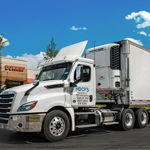
National DCP: How ORTEC supports a scalable national supply chain
Integrated planning, execution, and control improves how supply chain decisions are made and executed
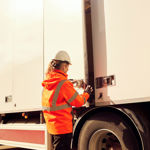
Pladis: Route and load optimization for in-house logistics
See how Mohawk improved planning efficiency, execution, and delivery performance at scale
For more information
Additional Resources
ORTEC helps retailers improve store delivery by connecting planning, routing, and execution to increase efficiency, use resources more effectively, and improve service.
5 steps to improve service and efficiency in store delivery
Five practical ways to improve scheduling, routing, visibility, and continuous improvement for more efficient and reliable store delivery
Better store delivery starts before the route is built
Decisions around delivery frequency, replenishment, capacity, and scheduling create the foundation for more efficient daily routes and reliable service
Making direct store delivery work more efficiently
Better replenishment planning, routing, loading, and execution helps improve the efficiency of direct store delivery
What can ORTEC help me do?
ORTEC for store delivery
See how ORTEC improves store delivery performance through connected planning, optimization, and execution.
ORTEC for Retail & Wholesale
Improve delivery efficiency, resource utilization, and service across your store delivery operations

Intercompany Distribution
Optimize inventory movements and replenishment plans across your distribution networks.